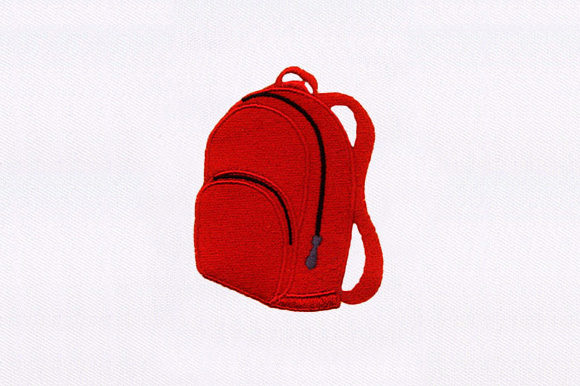
Backpack Embroidery Design Review for Small Business Merch
First Impressions: A Versatile, Business-Ready Design
As a professional embroidery designer, the Backpack machine embroidery design immediately stands out as a clean, functional, and adaptable asset for small business branding. Its name suggests a practical, everyday motif that can resonate with educational, outdoor, or lifestyle-focused brands. From the description, it's clear this design is crafted for commercial embroidery use, with a wide range of file formats ensuring compatibility across most machines.
Real-World Business Use Cases
Backpack offers strong potential for a variety of branded merchandise applications. Here’s how it performs across different small business needs:
- Embroidered patches – Its structured design likely holds up well when cut out or sewn onto fabric, making it ideal for sew-on or iron-on patches.
- Staff uniforms and aprons – The design’s size and clarity could translate well as a chest or sleeve accent, especially for cafes, boutiques, and studios looking to add a subtle brand touch.
- Cap embroidery – Depending on stitch density and hoop size, Backpack may work well on the front or side of caps, particularly for small business gifting or team wear.
- Tote bag branding – A clean, recognizable motif like Backpack can elevate tote bags from generic to premium, especially when used as a central focal point.
- Product packaging accents – Embroidered tags or fabric labels using this design could add a handmade, boutique feel to packaging or product hang tags.
- Etsy and craft branding – Independent sellers can use Backpack as a signature design on handmade goods, reinforcing brand identity and visual consistency.
- Event merch and customer gifts – Whether on a limited-run t-shirt or a custom apron, Backpack adds a personalized, memorable touch to promotional items.
Where to Use with Caution
While Backpack seems versatile, certain applications require extra attention:
- Small patch sizes – If the design contains fine lines or details, it might not scale down well for tiny embroidered patches.
- Cap fronts and curved surfaces – Curved embroidery areas may distort the shape, so test stitching on a cap blank is advised.
- Dark or textured fabric – Without sufficient thread contrast or stitch coverage, the design may not stand out on denim, corduroy, or black uniforms.
- Frequent washing – If used on staff apparel or reusable bags, ensure the stitch density and stabilizer use are optimized for durability.
- High stitch count or intricate outlines – If Backpack contains dense stitching, it could pucker lightweight fabrics or add unnecessary cost to large-scale production runs.
Brand Identity and Customer Perception
Using Backpack in your brand’s visual assets can influence how customers perceive your business. Its name and implied design style suggest a down-to-earth, approachable brand personality—perfect for local bakeries, indie craft shops, or student-focused brands in the Back To School category.
When used consistently across merchandise, the design contributes to a unified brand identity. It can boost customer trust by signaling professionalism and attention to detail. Even in a handmade or small-batch context, a clean, well-executed embroidery like Backpack adds value and perceived quality to your finished product.
Design Practicality for Embroidery Shops and Merch Creators
Here are essential steps to ensure Backpack works well for your next commercial embroidery project:
- Test in black and white first – This helps assess contrast and clarity before committing to color changes.
- Check small patch scaling – Resize the embroidery file and test stitch on a patch blank to ensure readability and clean lines.
- Review thread color contrast – Especially for dark or patterned fabrics, ensure the chosen colors maintain legibility and visual appeal.
- Inspect spacing and density – Avoid puckering by ensuring the design isn’t overly dense for the fabric type.
- Confirm hoop size compatibility – Make sure your machine can accommodate the design without distortion or trimming.
- Test on real fabric – Always stitch a sample on the actual material to check for texture interaction and thread coverage.
- Use proper stabilizer – A quality backing prevents shifting and ensures clean, consistent embroidery on stretchy or delicate fabrics.
- Create a printable mockup – Show clients how Backpack will look on a finished tote, cap, or apron before stitching begins.
- Compare with other design assets – Ensure Backpack fits visually with your other logos, fonts, and embroidery files for cohesive branding.
- Confirm commercial licensing – Always check that the digital embroidery file is licensed for commercial use before producing branded merchandise.
Final Thoughts for Small Business Branding
Backpack is more than a decorative motif—it’s a functional design asset that, when used thoughtfully, strengthens brand presence across a range of merchandise. Whether you're an embroidery shop creating custom uniforms or a handmade brand adding embroidery to your product line, this machine embroidery design can serve as a signature element that customers recognize and trust.
Its adaptability to patches, apparel, and product labels makes it a smart addition to your design assets, especially for seasonal or educational-themed merch under the Back To School umbrella. As with any digital embroidery file, careful testing and fabric consideration are key to achieving professional results that reflect your brand’s quality and style.