Lower Case Alphabet Z: A Designer's Business Review
As an experienced embroidery designer who has spent years refining brand identity for small businesses, I approach every new digital asset with a critical eye. When evaluating a design like the Lower Case Alphabet Z, the question is never just "does it look cute?" but rather, "will this elevate my commercial product line?" This specific machine embroidery design presents itself as a versatile tool for creatives, yet its true value lies in how well it translates from a screen to a physical finished product.
First Impressions: Friendly and Versatile
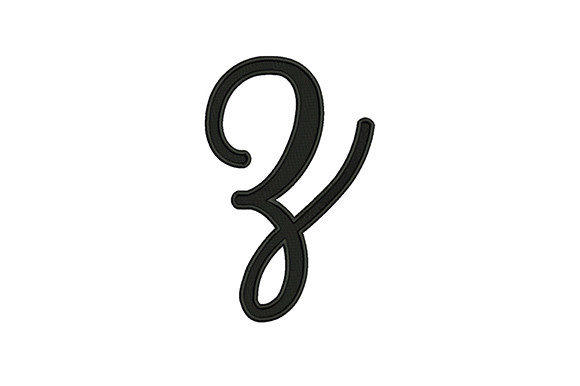
The initial review of the Lower Case Alphabet Z reveals a design that leans heavily into a friendly, approachable aesthetic. The description highlights it as "cute and simple," which immediately signals its potential for brands aiming for a handmade or boutique feel. In the world of commercial embroidery, simplicity is often a premium feature. Unlike overly complex scripts that can get lost on textured fabrics, this lowercase letter offers clarity and charm.
For a small business merch creator, this design feels modern and unpretentious. It avoids the stiffness of traditional serif fonts, making it ideal for creative studios, bakeries, or local boutiques that want to project warmth. The visual personality suggests it works best as an accent piece—a subtle nod to branding rather than a dominant logo. Whether you are looking at it for a back-to-school project or a year-round brand refresh, the design strikes a balance between playful and professional.
Strategic Applications for Small Businesses
When integrating the Lower Case Alphabet Z into your production workflow, consider where it adds the most value. This design is particularly effective for embroidered patches. Imagine a clothing brand using this letter as a detachable patch on denim jackets or backpacks. Because the design is simple, it holds up well even when backed by felt or twill, ensuring the edges remain clean after multiple washes.
For apparel decorators, this file is a strong candidate for cap embroidery. Placing a single lowercase letter on the front panel of a baseball cap creates a minimalist, high-end look. It works exceptionally well for staff uniforms where you need to identify team members without cluttering the chest area. For example, a café owner could use this letter on aprons to denote different roles or simply as a stylish detail on the pocket.
Beyond apparel, the tote bag design market thrives on unique typography. Stitching this letter onto canvas totes transforms a generic accessory into a branded gift. The design also serves as an excellent apron embroidery element for florists or pet brands, adding a touch of personality to workwear. If you are selling handmade products on platforms like Etsy, using this embroidery file on packaging tags or fabric labels can significantly increase perceived value.
Technical Considerations for Production
While the aesthetic appeal is clear, a professional review must address the technical execution. Before committing to a large run of custom apparel, you must test the Lower Case Alphabet Z under real-world conditions. Start by running a test stitch in black and white. This helps you evaluate the stitch density without the distraction of color. If the letter looks too dense, it may cause puckering on lightweight fabrics; if too sparse, it might not hold up to frequent washing.
Pay close attention to the hoop size required for this design. Simple letters often fit into smaller hoops, which is great for efficiency, but ensure your machine settings are calibrated correctly. When working with fabric texture, such as heavy cotton for aprons or knit materials for caps, the choice of stabilizer becomes critical. A tear-away stabilizer might suffice for woven fabrics, but a cut-away is likely necessary for stretchy materials to prevent distortion.
Color contrast is another vital factor. The description notes that it goes well with a variety of fabrics, but you must verify this yourself. Test different thread colors against dark uniforms and light linens. Sometimes, a design that looks perfect in a printable mockup loses definition when stitched in a similar tone to the background. Always create a physical sample to confirm the visual impact before presenting it to clients.
Brand Identity and Customer Trust
Using a cohesive set of design assets like the Lower Case Alphabet Z contributes directly to customer trust. Consistency in branding makes a business look established and reliable. When a customer sees the same clean, embroidered letter across your staff uniforms, product packaging accents, and promotional items, it reinforces your brand story.
This design supports a narrative of care and craftsmanship. In an era of mass-produced goods, the tactile quality of embroidery stands out. By incorporating this letter into your small business merchandise, you signal that you pay attention to detail. This elevates the product value and encourages buyer engagement. Customers are more likely to invest in items that feel premium and thoughtfully designed.
Cautions and Best Practices
Despite its versatility, there are scenarios where caution is advised. Avoid using the Lower Case Alphabet Z in extremely small sizes where the curves of the "z" might lose definition. On curved surfaces like the side of a cap or a rounded tote handle, the design may distort if not properly digitized for that specific curvature. Additionally, be wary of using it on highly textured fabrics where the stitches might sink in, reducing visibility.
Always confirm the commercial licensing terms before using any digital embroidery file for business purposes. Ensure you have the right to reproduce the design on items for sale. Finally, compare this design beside other assets in your collection to ensure visual consistency. Does the stroke weight match your main logo? Does the style align with your overall brand voice?
Final Verdict for Merch Creators
The Lower Case Alphabet Z is a solid addition to any embroiderer's library, provided it is used strategically. Its simplicity makes it a chameleon, adapting to various industries from education to fashion. For those creating event merch, customer gifts, or boutique merchandise, this design offers a low-risk, high-reward option. By following proper testing protocols regarding stitch density, thread colors, and stabilizer use, you can ensure that the final result is as professional as the design promises. It is a functional, charming asset ready to enhance your next creative project.