Split Pencils: A Designer's Real-World Review
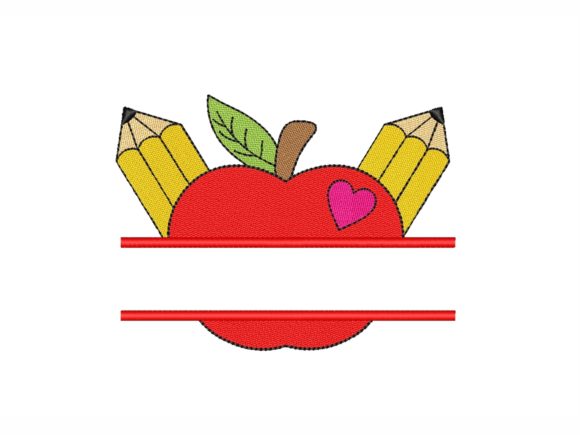
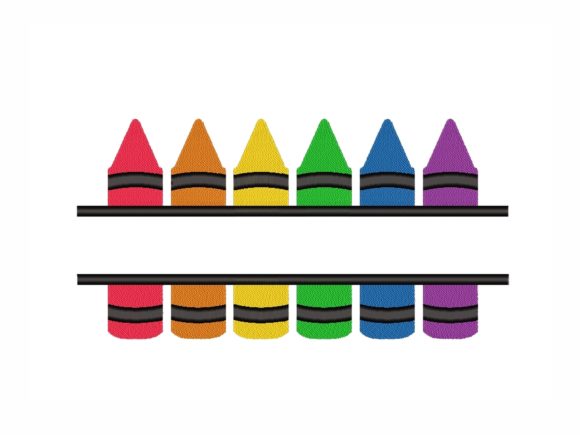
As a designer who has spent years curating assets for both my own craft business and client projects, I approach every new machine embroidery design with a specific set of questions. Does it translate well from screen to fabric? Is the stitch density balanced? Most importantly, does it solve a problem or add genuine value to a finished product? When I first opened the files for Split Pencils, I was looking for something that could elevate standard Back To School merchandise into something unique. The concept is immediately clear: a pencil monogram split down the middle, offering a playful yet structured aesthetic that feels perfectly timed for the upcoming season.
First Impressions: Visual Weight and Design Intent
The visual personality of Split Pencils is distinct. Unlike many generic school-themed designs that rely on heavy outlines or cluttered details, this piece leans into negative space and geometric balance. The "split" aspect creates a natural frame for initials, making it an ideal candidate for personalized gifts without overwhelming the surrounding area. In my experience, designs that offer this kind of built-in customization are gold for Etsy sellers and small shop owners who need to scale their offerings quickly while maintaining a handcrafted feel.
The mood is undeniably fun and energetic, yet the clean lines suggest a level of professionalism that works well beyond just children's items. It strikes a delicate balance between whimsy and utility. When I visualize this as a tote bag design or a detail on a teacher's apron, the layout feels intentional. It doesn't look like a sticker slapped onto fabric; it looks integrated. This is crucial for brand consistency in a craft business, where every stitch needs to communicate quality.
Testing the Waters: A Real Project Scenario
To truly evaluate Split Pencils, I imagined a specific scenario: preparing a limited run of custom sweatshirts for a local elementary school fundraiser. Sweatshirt embroidery can be tricky due to the fleece texture and the way fabric shifts under the hoop. I needed a design that would hold its shape without sinking into the pile of the material. In this context, Split Pencils shines because the central monogram element provides a focal point that draws the eye, while the pencil graphics frame it nicely without requiring excessive fill stitch that might cause puckering.
I also considered using this as an embroidered patch for denim jackets. The bold outlines inherent in the pencil shapes suggest they would pop against dark denim, provided the right thread colors are selected. The design's versatility allows it to transition seamlessly from a baby embroidery project on a onesie to a more mature accessory on a canvas backpack. This adaptability is what separates a good asset from a great one. For a digital product seller, having a design that fits multiple categories—nursery decor, school supplies, and holiday gifts—maximizes the return on investment for the embroidery file.
Navigating Fabric Challenges and Technical Nuances
While the design is robust, no embroidery project is without its challenges. If you plan to use Split Pencils on thin fabrics like tea towels or lightweight cotton shirts, you must be vigilant about your stabilizer choice. The split nature of the design means there are open areas that require strong support to prevent the fabric from distorting during stitching. I always recommend testing the design on scrap fabric first, especially when working with stretchy materials or textured surfaces like fleece or terry cloth.
Another consideration is the hoop size. While the design appears compact, the placement of the monogram within the split pencils requires enough room to ensure the letters do not crowd the edges. If you are working with smaller hoops, you may need to adjust the scaling carefully to maintain the integrity of the satin stitch details. Tiny lettering can become illegible if reduced too far, so checking the legibility at various sizes is essential before committing to a production run. Additionally, on dark fabrics, the contrast will dictate the success of the project. A white or light-colored thread on navy blue or black fabric will make the Split Pencils design stand out, but you must ensure the stitch density is high enough to cover the background fabric completely.
Commercial Viability and Customer Perception
For those running a small shop product line or selling on platforms like Etsy, the perceived value of a handmade item often hinges on the precision of the embroidery. Split Pencils offers a professional finish that customers associate with higher price points. When a parent sees a tote bag with a crisp, well-executed monogram flanked by stylized pencils, it signals care and attention to detail. This directly impacts customer trust and buyer engagement.
The design also lends itself well to personalized gift creation. Whether it is a holiday embroidery project for a teacher appreciation basket or a graduation keepsake, the ability to customize the monogram makes the item feel exclusive. However, as a commercial user, you must confirm the licensing terms of the digital embroidery file before selling finished goods. Some licenses restrict the number of items you can sell or prohibit reselling the digital file itself. Always review the terms to protect your business.
Practical Designer Notes for Success
To get the best results with Split Pencils, follow these practical steps:
- Test on Scrap Fabric: Never skip the test run. Stitch out the design on the actual fabric you intend to use to check for tension issues and alignment.
- Check Thread Contrast: Ensure your thread colors provide sufficient contrast against the background. High contrast improves readability and visual appeal.
- Review Stitch Density: Inspect the fill areas to ensure they are dense enough to cover the fabric but not so dense that they cause stiffness or puckering.
- Confirm Hoop Size: Verify that your machine's hoop can accommodate the full width of the design plus the necessary margin for hooping.
- Use Proper Stabilizer: For custom apparel or textured items, a cutaway stabilizer often provides better long-term durability than tear-away options.
- Mockup Your Designs: Create printable mockups to visualize how the design looks on different products before you start stitching. This helps in marketing and planning your inventory.
In conclusion, Split Pencils is a versatile and thoughtful addition to any designer's library. It bridges the gap between playful themes and professional execution, making it an excellent choice for commercial embroidery and personal projects alike. By paying attention to fabric selection, stabilizer usage, and licensing, you can leverage this design to create high-quality, marketable products that resonate with customers looking for unique Back To School gear. As we move into the busy season, having reliable design assets like this one ensures that your workflow remains smooth and your finished products remain impressive.