Frame Number Five: A Craft Fair Design Review
As an experienced embroidery designer who has spent countless weekends setting up booths at local craft fairs and managing a digital shop for handmade goods, I know that not every design translates well from the screen to the sales table. Today, I am putting Frame Number Five through its paces. This machine embroidery design promises versatility, claiming it fits birthday gifts, back-to-school projects, and lucky number t-shirts. But does it hold up under the scrutiny of a seasoned maker preparing for a busy market weekend? Let's dive into the real-world application of this digital embroidery file.
First Impressions: Versatility Meets Visual Appeal
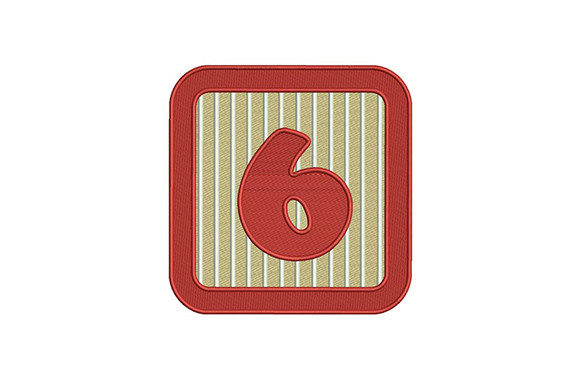
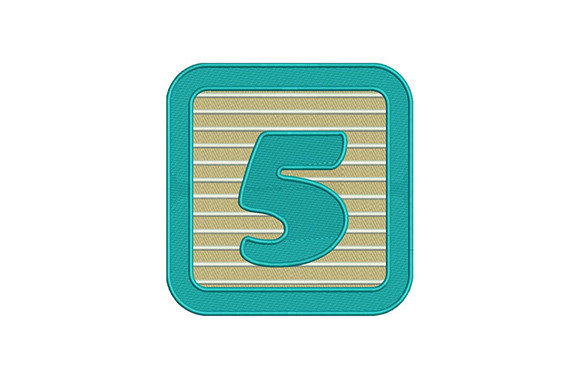
When I first loaded Frame Number Five onto my design software, the immediate feeling was one of playful potential. The description highlights its use in "so much more," which suggests a design that is neither too rigid nor overly complex. For a craft fair product, this is crucial. Customers scanning a table full of tote bags and aprons need to understand the design instantly. If a motif feels too abstract or cluttered, it gets skipped. Frame Number Five appears to strike a balance between being cute and functional, making it a strong candidate for both impulse buys and thoughtful gifts.
The aesthetic leans towards modern yet approachable. It doesn't scream "rustic farmhouse" nor does it feel strictly "elegant." Instead, it occupies that sweet spot of friendly utility. This makes it perfect for the Back To School season, where parents are looking for personalized items that aren't too childish but still fun. Whether you are an Etsy seller or a boutique maker, having a design that can pivot from a lucky number t-shirt to a sophisticated gift tag is a massive asset in your inventory.
Product Application: Where Does It Shine?
In a real case scenario, imagine my craft fair table setup. I have rows of embroidered tote bags, kitchen tea towels, caps, and small fabric pouches. Where does Frame Number Five fit best? Based on its described versatility, here is how I would deploy it:
- Tote Bag Design: Totes are high-visibility items. If Frame Number Five is bold enough, it works beautifully as a focal point on a canvas bag. However, if the design is intricate, it might get lost against the texture of heavy canvas. I would test it on a smooth cotton blend first.
- Tea Towel Embroidery: Kitchen linens are a staple for handmade shops. A cute number or frame design adds a pop of personality to a plain towel. The key here is ensuring the stitch density isn't so high that it makes the towel stiff.
- Apron Embroidery: For a small shop product like an apron, placing this design near the pocket or chest area creates a charming accent. It feels personal and crafted, increasing the perceived value of the finished product.
- Embroidered Patch: If the design includes distinct outlines, it could be cut out as a patch. Patches are excellent low-cost add-ons to increase the average order value at a booth.
- Caps and Pillows: Curved surfaces like caps require careful consideration. If Frame Number Five has tiny details, they may distort on a curved brim. Pillow covers offer a flat surface, making them safer for detailed work.
Selling Points: From Booth Display to Online Listings
What makes a design sell? It is about clarity and emotional connection. When a customer walks past my booth, Frame Number Five needs to catch the eye within seconds. The description mentions it is "cute," which is a powerful word in the handmade market. Cute sells. It implies warmth and care.
For online platforms like Etsy, photography is everything. A design that photographs well in natural light will perform better than one that looks muddy in a photo. Because this machine embroidery design comes with multiple options (as hinted in the description), it offers great variety for creating printable mockups. You can show the same design on a dark hoodie and a light pillow cover, demonstrating its adaptability to different buyers.
Furthermore, batch production is easier when a design is straightforward. If Frame Number Five requires constant re-hooping or delicate thread changes, it slows down production time. For commercial embroidery, efficiency is profit. If this file allows me to run ten items in an hour without errors, it is a winner for my business model.
Practical Designer Notes: Avoiding Common Pitfalls
Even the best designs can fail if the execution is poor. Before turning Frame Number Five into a line of products, I always follow a strict checklist. Here are my critical notes for fellow creators:
- Test on Scrap Fabric: Never skip this step. Stitch the design on the exact fabric you plan to sell. Check for puckering, especially on thick fabrics like denim or textured towels.
- Check Thread Contrast: A white design on a white shirt won't sell. Ensure your thread colors pop against the background. If the design has thin lines, use a contrasting color to make it readable from a distance.
- Review Spacing and Hoop Size: Confirm that the hoop size accommodates the entire design without cutting off edges. If the design is meant to be large, ensure your hoop supports that scale without distorting the shape.
- Inspect Stitch Density: Dense areas can cause fabric distortion. If Frame Number Five has solid blocks of color, consider reducing the density slightly to keep the fabric soft and drapey.
- Use the Right Stabilizer: This is non-negotiable. Heavy stabilizers are needed for thick fabrics, while lightweight ones work for delicate items. A good stabilizer ensures the finished product looks professional.
- Create Real Mockups: Don't rely solely on digital previews. Make one physical sample to photograph. This helps you see how the light hits the threads and if any loose ends need trimming.
Cautionary Advice for Specific Fabrics
Be wary of using this design on highly textured towels or very dark fabrics without testing first. Tiny details or small lettering can get swallowed by the weave of a thick towel. Similarly, on a curved cap surface, straight lines might look wavy. If the design relies on fine details to convey its meaning, avoid shrinking it too small. Always check the minimum recommended size for the embroidery file before scaling it down for a small pouch or keychain.
Final Verdict: Is It Worth Your Time?
Frame Number Five presents a compelling opportunity for creative entrepreneurs looking to expand their catalog with versatile, cute designs. Its ability to span categories from Back To School gear to general lucky charms makes it a flexible asset. However, its success depends entirely on your attention to detail during production.
If you are an Etsy seller or a craft fair vendor, this design can boost your brand consistency if used across various mediums. Just remember to confirm your commercial licensing terms before selling finished products made with this digital file. By following best practices for stabilizer use, thread selection, and fabric testing, you can turn this simple machine embroidery design into a high-value, best-selling handmade product. In the competitive world of handmade markets, a well-executed, cute design like this is exactly what keeps customers coming back to your booth.