Gnome with Apple: A Craft Fair Product Review
As an experienced embroidery designer who has spent countless weekends setting up booths at local craft fairs and managing a handmade shop, I know that not every design translates well from the digital screen to the physical product. The difference between a file sitting on a hard drive and a finished product selling for $25 is often in the details of execution and visual appeal. Today, I am reviewing the Gnome with Apple machine embroidery design to determine if it deserves a spot in my upcoming booth display. This piece falls under the Fairy Tales category, but its application goes far beyond storybooks into practical, giftable items.
First Impressions: Rustic Charm Meets Modern Cuteness
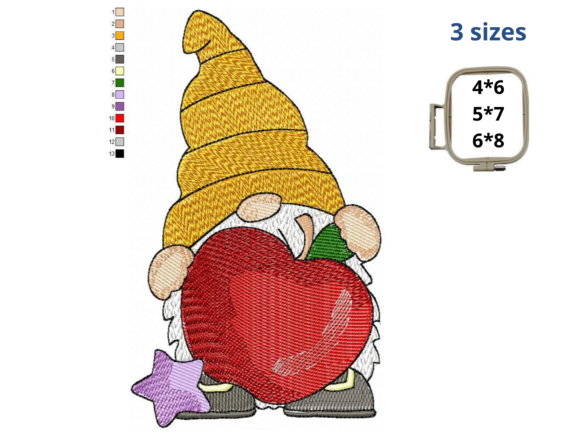
When I first opened the embroidery file for Gnome with Apple, the immediate vibe was one of wholesome, rustic charm. The description notes that this cute gnome harvested a huge apple and wants to share it with you. Visually, this translates to a character-driven design that feels both nostalgic and trendy. It does not feel overly delicate or fragile; instead, it has a boldness that works well for commercial embroidery. The aesthetic leans heavily into the farmhouse style, which remains a dominant trend for Etsy sellers and boutique makers alike. It strikes a balance between being decorative enough for home goods and playful enough for children's wear.
The color palette implied by the title suggests vibrant reds for the apple, earthy tones for the gnome's hat and beard, and perhaps some soft greens for foliage. These are high-contrast colors that naturally draw the eye. In a crowded craft fair environment where customers scan tables quickly, a design like Gnome with Apple stops the scroll—or in this case, the walk-by—because it offers instant recognition and emotional warmth.
Product Versatility: Where Does It Shine?
One of the biggest questions for any digital seller is versatility. Can this single machine embroidery design be used across multiple product lines? For Gnome with Apple, the answer is a resounding yes, provided you choose the right substrates. Here is how I envision utilizing this design for maximum sales impact:
- Tote Bag Design: A large version of this design centered on a canvas tote bag makes for an excellent craft fair product. The flat surface of a tote allows the stitch density to shine without distortion. It serves as a perfect "back-to-school" accessory or a reusable market bag for eco-conscious buyers.
- Apron Embroidery: Placing the gnome on the bib of a cotton apron creates a whimsical kitchen accessory. This fits perfectly with the "harvested apple" theme, making it ideal for fall markets or holiday bazaars.
- Tea Towel Embroidery: Kitchen linens are a staple for handmade shops. The texture of a tea towel can add a cozy feel to the design, though care must be taken with the stabilizer to prevent puckering.
- Embroidered Patch: If the hoop size allows for a smaller rendition, turning this into a patch opens up possibilities for denim jackets, backpacks, and hats. Patches are low-cost, high-margin items that move quickly at markets.
- Caps and Beanies: Curved surfaces require careful testing, but a small gnome on a cap brim or the front of a beanie could be a hit for kids' winter gear.
- Pillow Covers and Small Pouches: These items allow for larger, more detailed versions of the design, appealing to customers looking for home decor or gift packaging.
Practical Production Notes for the Booth
While the concept is strong, the execution is where many designers fail. As I prepare my samples, I am considering several critical factors to ensure the handmade product looks premium rather than amateurish.
Stitch Density and Detail Clarity
The description mentions a "huge apple," which implies significant fill stitching. High-density areas can sometimes cause fabric to pucker, especially on lighter materials like quilting cotton. I will need to test the stitch density on scrap fabric first. If the apple area is too dense, it may create a stiff spot that feels uncomfortable against the skin on clothing. Conversely, if the design is too open, it might look sparse on thicker fabrics like denim or canvas. Balancing these elements is crucial for maintaining the perceived quality of the item.
Size Matters: Accent vs. Focal Point
Does Gnome with Apple work as a small accent? Probably not. Gnomes rely on facial expressions and specific features (like the pointy hat) to convey their character. If shrunk too small, the face may become indistinct, losing the charm that drives the sale. Therefore, I recommend using this as a focal design on products with ample space, such as the center of a tote bag or the main panel of an apron. For smaller items like patches, I would need to verify that the hoop size supports the minimum dimensions required to keep the details crisp.
Fabric Texture and Thread Contrast
The choice of fabric plays a massive role in how the design photographs for online listings. On a smooth, white cotton tote, the thread colors will pop vividly. However, on a textured linen or a dark-colored fabric, the visibility might decrease. I plan to create at least one real mockup on a light neutral background to see how the red of the apple contrasts with the rest of the design. Additionally, using the right stabilizer is non-negotiable. Without proper backing, the intricate details of the gnome's beard and the apple stem could shift during stitching, ruining the alignment.
Marketing and Visual Appeal
In the world of small shop products, photography is everything. Gnome with Apple has inherent photogenic qualities. The narrative element—a gnome sharing an apple—tells a story that resonates with buyers. When creating printable mockups for my Etsy listing, I can stage the embroidered items in autumnal settings with real apples and pumpkins to enhance the seasonal appeal. This storytelling approach increases the perceived value of the item, allowing me to price it higher than a generic floral pattern.
For booth displays, I will group these items together. A table featuring embroidered teapots, matching aprons, and tote bags all featuring the same design creates a cohesive brand identity. This consistency helps customers recognize the maker and encourages them to buy multiples as gifts. The design acts as a signature piece that defines the mood of the booth as friendly, creative, and family-oriented.
Final Designer Checklist Before Production
Before I commit to a full batch production run, I am running through my standard checklist to avoid costly mistakes:
- Test Stitch: Run the design on a sample of the actual fabric intended for the final product to check for puckering and thread tension.
- Check Licensing: Ensure I have the correct commercial license to sell finished goods made from this digital embroidery file. Never assume personal use rights cover sales.
- Review Spacing: Confirm there is enough margin around the design so it does not get cut off during sewing or hemming.
- Color Verification: Match the thread colors to the design intent. A dull red apple won't sell as well as a vibrant one.
- Mockup Creation: Photograph the design in context. Show it on a person wearing the apron or holding the tote bag to help customers visualize the scale.
In conclusion, Gnome with Apple is a strong contender for a successful craft fair season. It combines the enduring popularity of gnomes with the universal appeal of harvest themes. By carefully selecting the right products, managing stitch density, and presenting the items with high-quality photography, this design can become a bestseller. It is not just a pattern; it is a conversation starter that adds warmth and personality to any handmade product line. For any creative entrepreneur looking to expand their catalog with something cute, versatile, and commercially viable, this design is worth the investment.